Pipe Filters Compared: 6mm, 9mm and Unfiltered Systems
A practical look at how 6mm, 9mm and unfiltered pipes differ in draw, moisture and flavor — and how to...

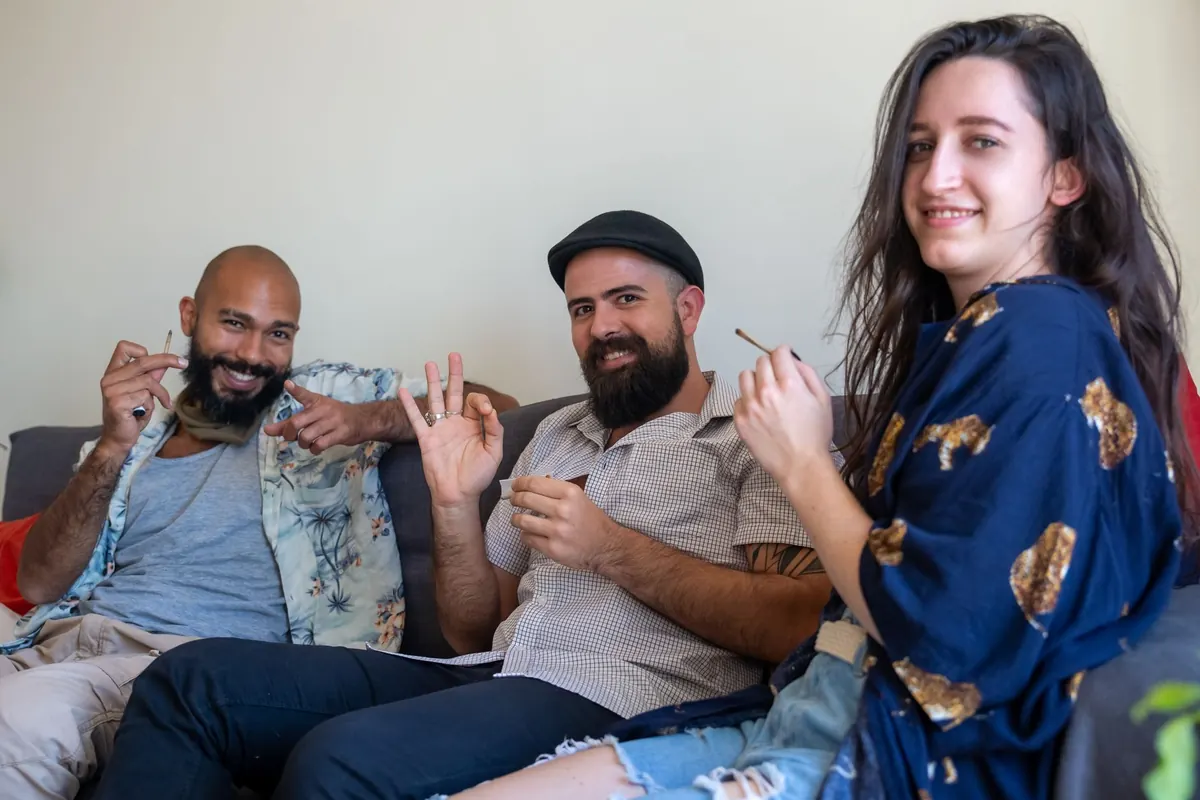
A pipe is a solitary pleasure by design. A bowl, a chair, a bit of quiet — that is the whole ritual. But solitude has a ceiling. You can only learn so much from your own shelf, and eventually the same three blends and the same four opinions start circling. A club breaks the loop: a room where someone hands you a tin you would never have bought, tells you why your Virginia bites, and then lets everyone sit in easy silence for twenty minutes. Finding one takes legwork. Starting one takes less than you would think.
If your town has a shop that sells pipe tobacco, that is your first stop — not the shelf, the counter. Staff at a real tobacconist know who meets where, because pipe smokers talk while they are being served. Ask directly: Does anyone meet here regularly? Is there a board, a sign-up sheet, or a pipe night? Who should I talk to? Even a shop with no club usually has one customer who has been coming in every Thursday for years and seems to know everyone. Ask for an introduction. Buy something small while you are there; it is a courtesy, and it makes the next conversation easier.
Forums, regional Facebook groups, and Meetup listings are where most clubs advertise, though many listings go stale. Search combinations: "pipe club" plus your city, your county, or the nearest large city. Pipe forums usually keep a regional section, and a single post asking whether anyone in your area meets up tends to draw a reply or two. Reddit's pipe communities work the same way. The catch is that a group which last posted years ago may not exist now. Message before you show up, and ask when they last met. A quick reply with a date is worth more than a polished page.
Pipe shows are the easiest place to find a local club without joining anything first. They are usually annual, held in a hotel or convention space, and the smoking room functions as a temporary club for a weekend. Walk the tables, ask people where they are from, and mention that you are looking for a group near you. Someone will either invite you or tell you who to contact. Cigar bars, tobacco-friendly pub patios, and the occasional pipe-making workshop do the same job on a smaller scale. Bring your own tobacco to these rooms; it is the standard ticket in.
Arrive a few minutes early and plan to stay the whole time. A typical night looks like this: chairs pulled into a rough circle, ashtrays within reach, and someone producing a jar or tin that gets passed hand to hand. The first twenty minutes are introductions — where you are from, how long you have smoked, what is in your pipe. Then people light up and the conversation drifts. Blend talk, pipe talk, tamping technique, a story about a tin that sat forgotten in a garage for a decade. If the club has a formal element that night, such as a tasting of one blend, a pipe swap, or a raffle, it usually comes after the social warm-up. Nobody will quiz you, and nobody will care that your pipe cost less than their lighter.
A few things worth knowing before you walk in:
This happens more often than people expect. Most towns have pipe smokers; few have clubs. Starting one is a matter of picking a place, picking a time, and showing up whether or not anyone else does.
Indoor smoking rules differ by country, state, and city, so check what is allowed before you announce anything. In many places a private residence, a dedicated shop lounge, or a cigar bar with proper ventilation is the only workable option. A friend's covered porch works in good weather. Avoid anything that puts a host in an awkward spot with a landlord or a license.
First Tuesday of the month at seven. Not "whenever." A fixed slot is the entire difference between a club and a plan. Monthly is easier to sustain than weekly and easier for people to remember.
No dues, no officers, no minutes. One rule is enough: whoever shows up decides what happens. Some nights that means a blend tasting; most nights it means four people talking about pipes. If you later collect money for a room or a shared tin, keep a simple record of what came in and what went out, and check the rules that apply where you meet. A few minutes with a local accountant or the venue manager beats guessing.
Post in the same forums and groups you searched. Tell the tobacconist and leave a card on the board. Mention it to the person at the cigar bar who is always there on Thursdays. Three people is a club. Two is a conversation. Message those three the day before each meeting — it does more for turnout than any poster.
A new group needs three meetings before anyone can judge it. The first is awkward, the second is better, and by the third people arrive knowing what to expect. If you are the visitor, show up twice before deciding; one thin night is usually a scheduling accident, not a verdict. And if the group you find turns out to be three people who only want to talk about estate pipes, that is still three people who will tell you where the good tins are.
One honest note: a good room does not make the tobacco harmless. Pipe smoking carries real health risks, and that is a conversation for you and a doctor rather than for the club. The club is only about the company.
So message the shop. Post the question. Show up with a pipe and something to share. Worst case, you spend an evening in a chair with a bowl and no one to talk to — which is what you were doing anyway.
Photo: Kampus Production / Pexels
A practical look at how 6mm, 9mm and unfiltered pipes differ in draw, moisture and flavor — and how to...
Aromatic, English, casing, topping, flake: a plain guide to what pipe tobacco labels actually describe,...
Cold weather changes how a pipe burns and how a pipe wears. Here's how to adjust bowl size, moisture,...